After a Flood or Storm: What Precision Flood Cuts and a Clean Out Involve
A flood cut is more careful than it sounds, and a little preparation makes the whole clean out go smoother.
October 27, 2026 · 3 min read
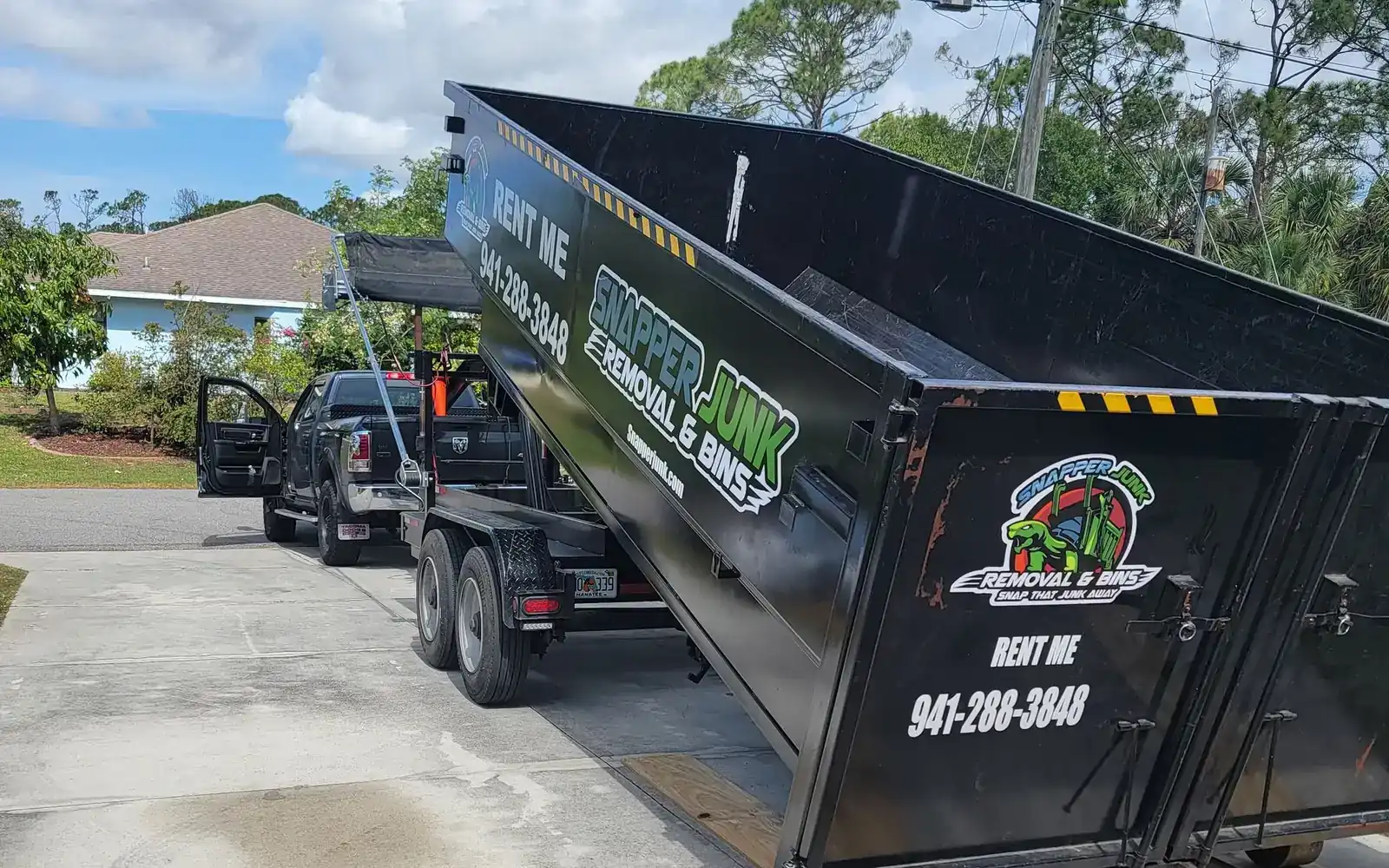
Snapper Junk Removal & Bins started in the wake of Hurricane Ian in 2022, so storm cleanup isn't a side topic for us. It's where the company began. If your home or business took on water, or a fire or a storm tore through a room, here's a straight picture of what a flood cut and a clean out involve, so nothing about the day catches you off guard.
What a flood cut is
When water gets into a house, drywall acts like a sponge. It pulls moisture up from the floor, sometimes higher than the visible waterline. A flood cut means cutting the wall open along a straight, level line and removing everything below it. Insulation behind the wall usually comes out with it.
Precision matters here. A ragged cut means more patching later. A clean, level cut leaves a straight edge for new drywall to meet, so the next trade isn't fixing demolition damage before they can start on the repair.
What else comes out
- Wet drywall and the insulation behind it
- Baseboards and trim that soaked through
- Carpet and pad, plus flooring that has lifted or swollen
- Soaked furniture, mattresses and upholstered pieces
- Cabinet bases and vanities that sat in water
- Anything stored low in a garage or closet, in boxes or bins
Fire damage follows a similar pattern. Charred and smoke-soaked material comes out, and so do belongings that are too far gone to save. A clean out after fire damage is mostly about getting the room back to bare surfaces so the repair can begin.
Before the crew arrives
Photograph the damage before anything is removed. Take wide shots of each room, close shots of the worst spots, and a few of the contents. It takes a few minutes and gives you a record of what the space looked like before it was emptied.
Think about safety next. Wet houses hide hazards: slick floors, sagging ceilings, and outlets that sat in water. Have power to affected areas checked by a licensed electrician before anyone works in a wet space, and wear sturdy shoes and gloves. Open windows and doors if you can.
Then pull out what matters to you. Documents, photographs, medications, keepsakes. Setting a few things aside before the day starts is far easier than digging through a pile afterward. Tell the crew what stays and what goes, and mark anything that's staying so it doesn't get carried out by mistake.
How the work goes
A typical job starts with a walk-through. We look at what's wet, what's damaged and what's worth saving, and we talk through where the cuts will go. Then the tear-out begins. Material gets bagged or carried straight out and loaded, because wet debris is heavy and messy and doesn't belong sitting in the living room.
When the debris is gone, the floor gets swept so the next trade is working in a clear space. We treat every home and driveway as if it's our own, and that means the mess leaves with the material.
Dumpster, junk removal, or both
Big storm jobs can go either way. If contractors will be on site for days, a dumpster in the driveway lets everyone toss as they go. Wet material is heavy, so tell us what's going in and we'll help you pick the right size. If the pile is already at the curb or stacked in the garage, a junk removal pickup clears it in one visit. Some jobs use both.
For anything cut out of a wall or pulled up from a floor, keep it separate from the hazardous items that don't belong in a bin: fuel, chemicals, batteries and electronics. A flooded garage tends to be full of all of the above.
What comes after
A flood cut isn't the end of the story. Drying, testing and rebuilding are their own trades, and each of them needs the space cleared first. Our part is getting the damaged material out and hauled away properly. We work with local recycling centers and donate reusable items when something's still in good shape, so not everything ends up in a landfill.
If your home or business needs a flood cut or a clean out, call or text 941-288-3848, Monday through Saturday, 7 AM to 7 PM. Send photos of the damage if you have them, or use the schedule a quote page, and we'll take it from there.
Snapper Junk Removal & Bins, 941-288-3848
Call 941-288-3848More articles
15-Yard or 20-Yard Dumpster: Which Size Fits Your Roofing Job, Remodel or Clean Out
One extra foot of wall separates our two bins, and it can decide if the job finishes in one haul or two.
What Can't Go in a Roll-Off Dumpster, and What to Do With It Instead
Five categories stay out of our dumpsters, and sorting them out before delivery saves you trouble on pickup day.