15-Yard or 20-Yard Dumpster: Which Size Fits Your Roofing Job, Remodel or Clean Out
One extra foot of wall separates our two bins, and it can decide if the job finishes in one haul or two.
October 27, 2026 · 4 min read
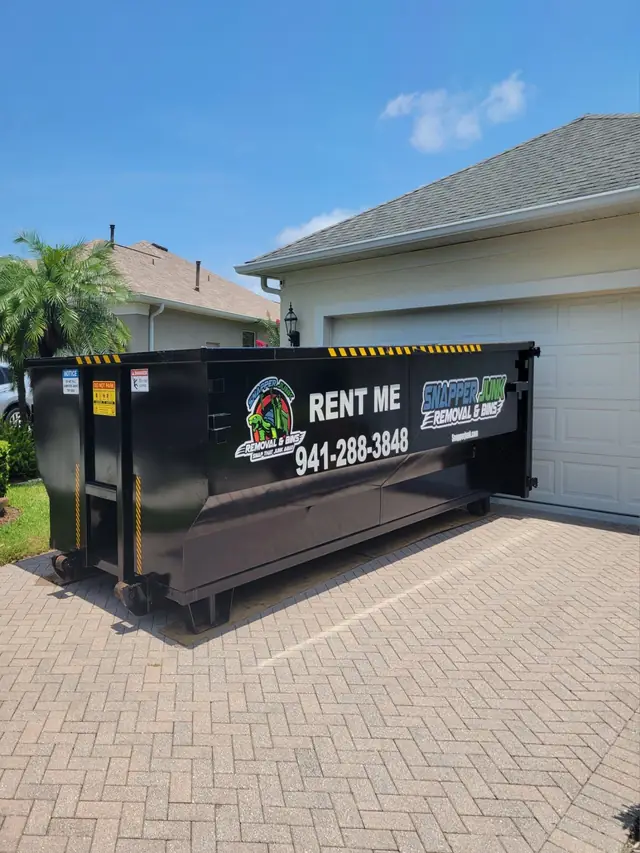
The first thing most people ask us is which size dumpster they need. It's the right question. Order too small and you're paying for a second haul halfway through the job. Order too big and you've got a bin sitting in the driveway with room to spare that you'll never use. Here's how we size it up, so you can make the call yourself before you book.
The two sizes, side by side
We rent two roll-off sizes. The 15-yard measures 8 feet by 16 feet by 4 feet. The 20-yard has the same 8 by 16 footprint but stands 5 feet tall. That extra foot of wall is the whole difference between them. Same length, same width, one more foot of height to fill.
Our own size sheets call the 15-yard best for small to medium jobs, and the 20-yard best for medium to large jobs. Both list roofing, remodels, clean outs and yard waste as a good fit. The 15-yard sheet adds furniture and scrap metal. The 20-yard sheet carries a note people like to see: driveway safe.
Think in loads, not cubic yards
A cubic yard number doesn't mean much when you're standing in your garage looking at a pile. Try a different yardstick. Picture a pickup bed loaded to the rails. If hauling your pile yourself would take a handful of those trips, or more, you're in dumpster territory. If it's one or two trips, a junk removal pickup might make more sense than a bin.
Then think about shape. Couches, cabinets and doors are bulky and leave air gaps. Drywall and flooring stack flatter. Branches and brush are mostly air until they get broken down. A pile that looks small on the lawn can still fill a surprising amount of bin, so allow for the awkward stuff.
Roofing jobs
A roof tear-off makes a lot of material fast, and shingles are heavier than they look. A single layer on a small roof is a different animal than two layers on a big one where the decking needs replacing too. Ask your roofer what they expect to pull off and how many layers are up there now. If the answer is more than one, or the roof is large, lean toward the 20-yard.
Placement matters as much as size. The closer the bin sits to the edge of the roof, the less your crew has to carry debris across the yard. Hauling roofing is part of what we do, so tell us it's a tear-off when you book and we can talk through where the bin should go.
Remodels
A single bathroom gut with a tub, tile and vanity often fits the 15-yard. A kitchen with cabinets, countertops and flooring, or any job where walls are coming out, usually wants the 20-yard. Remodels also have a habit of running past the plan. Once the cabinets come out, somebody finds the soft subfloor underneath. If your scope is already close to the line between sizes, go up.
Clean outs and yard waste
A garage, a shed or a storage unit is classic 15-yard work. A whole-house clean out, an estate, or a hoarder clean out is where the 20-yard earns its keep, and some of those jobs call for more than one haul no matter which size you pick.
Storm cleanup is its own thing. Limbs, palm fronds and fence panels are bulky and fill a bin quickly. If your yard took a beating, size up. If you're clearing a shed or a deck as part of the same job, that's light demolition, and we do that too.
Checking your driveway before the bin arrives
Our bins are 16 feet long, so you need that much length plus room for the truck to work. Look up as well as along the ground. Low branches and power lines get in the way of a delivery faster than a narrow driveway does. If the 20-yard is your pick and you're worried about the surface, it's the one our size sheet marks as driveway safe.
Fill the bin level, and don't pile above the top edge. A loaded roll-off has to travel on public roads, and an overfilled one can't be hauled safely. Think of the rim as the line you stay under.
If you're stuck between sizes
Go up. A 20-yard that ends up three-quarters full just means some extra space. A 15-yard that overflows means a second haul and another day of waiting.
You can also send us photos of the space or the pile and tell us what the job is, and we'll tell you which one we'd pick. One more thing before you start loading: the bin can't take hazardous waste, electronics, tires, batteries or liquids, so set those aside first.
Ready to book, or still on the fence? Call or text us at 941-288-3848, Monday through Saturday, 7 AM to 7 PM, or send the details through the quote form. We serve homeowners, landlords and businesses across Charlotte, Sarasota, Manatee and Lee counties.
Snapper Junk Removal & Bins, 941-288-3848
Call 941-288-3848More articles
What Can't Go in a Roll-Off Dumpster, and What to Do With It Instead
Five categories stay out of our dumpsters, and sorting them out before delivery saves you trouble on pickup day.
After a Flood or Storm: What Precision Flood Cuts and a Clean Out Involve
A flood cut is more careful than it sounds, and a little preparation makes the whole clean out go smoother.